Share
Your room should not have one setting for every moment. The bright light that gets you moving in the morning rarely suits a late-night film, a focused study session or a gaming run with friends. Smart home automation gives your space the ability to shift with you, and app-controlled RGB lighting is one of the quickest ways to feel that difference.
This is not about turning your flat into a sci-fi control room full of gadgets you never use. It is about making ordinary routines feel better: warmer light when you wind down, an energising desk setup when it is time to work, and a full-colour backdrop when the group chat says everyone is jumping online.
What Smart Home Automation Actually Does
At its best, smart home automation connects devices to simple triggers, schedules and voice controls. Rather than reaching for a switch, you can tell your lights what you want, set them to follow a timetable or build scenes that change multiple products together.
For a bedroom, that might mean a soft amber bedside lamp and low-brightness strip lights at 10 pm. In a gaming space, it could mean wall panels, a floor lamp and desk lighting switching to the same electric blue scene when you power up. The tech works quietly in the background, but the effect is immediate: your room feels designed around your life instead of being stuck in one mode.
You do not need a fully automated house to start. One smart bulb, a strip behind a monitor or a colour-changing lamp can make a bigger visual impact than a complicated collection of devices installed all at once.
Start With the Moment You Want to Improve
The best setups begin with a feeling, not a shopping list. Ask yourself which part of your day your room currently gets wrong. Maybe your overhead light is harsh when you are trying to relax. Maybe your desk disappears into the background on stream. Or perhaps your bedroom looks fine in daylight but flat and forgettable after dark.
Pick one moment and build around it. If you want a better wind-down routine, prioritise warm whites and gentle colour effects near your bed or sofa. If your goal is a more immersive gaming setup, place lighting behind the monitor, under the desk or around the wall area visible on camera. Indirect light is often more atmospheric than a single bright source because it adds depth without putting glare directly in your eyes.
This approach also keeps spending sensible. A small room can look incredible with one well-placed floor lamp and a strip light, while piling products into every corner can make the space feel busy rather than premium.
Choose light placement before effects
Colour gets the attention, but placement does the hard work. LED strips behind a TV create a floating-screen effect and make evening viewing more comfortable. A lamp in a dark corner gives the whole room more dimension. Wall lights can become a focal point for photos, streams or video calls without needing to redecorate.
Think about what you want to highlight. Your gaming desk, shelving, artwork, headboard and TV wall all offer easy starting points. Keep cables tidy and avoid placing lights where they shine directly into your face. The cleanest setups feel intentional even when the colours are turned off.
Build Scenes, Not Just Colours
The real upgrade in smart home automation comes when you stop changing lights one by one. A scene saves several settings under one name, so your preferred brightness, colours and effects are ready in seconds.
Create a "Focus" scene with a crisp cool white at your desk and subtle accent lighting behind your monitor. Make a "Film Night" scene with lower brightness and a rich blue, violet or warm amber glow around the TV. For gaming, use a bolder scene with synchronised colours across your lamp, strips and panels. You can match the game, your PC case or simply the mood you want to bring to the session.
There is no rule that every setup needs rainbow effects. A two-colour palette often looks more polished, especially in smaller rooms. Cyan and purple, red and amber, or pink and blue can feel expressive without overwhelming the space. Save the full RGB chase effects for parties, music or those moments when you want the room to make an entrance.
Set routines you will genuinely use
Schedules are where smart lighting earns its place beyond the initial wow factor. A gradual morning routine can bring lights on at low brightness before your alarm, making darker winter mornings feel less abrupt. In the evening, a timed switch to warmer tones creates a clearer signal that work, revision or gaming can start to slow down.
You can also set an automatic off time for lights that tend to get left on. That is useful in a shared house, a student room or anywhere the last person to bed is never quite sure what is still running. It is a small convenience, but it makes your setup feel considered.
Keep routines realistic. If you are rarely home at 6 pm, do not build your whole lighting plan around 6 pm. Start with one morning and one evening automation, then adjust them after a week. The best smart home setup is the one that fits your real habits, not an imagined perfect schedule.
Make Voice Control a Shortcut, Not a Gimmick
Voice control is brilliant for a few specific moments: when you are carrying laundry, settled on the sofa, midway through a game or already tucked into bed. A quick command to dim the room or switch to a saved scene can feel properly futuristic without being fussy.
That said, voice control is not essential. If you prefer using an app, remote or physical switch, that is completely valid. Smart home automation should reduce friction, not give you another app to troubleshoot. Before adding new devices, check whether they work with the platform you already use and whether they can be grouped in the same room or scene.
WiFi products are usually easy to start with because they connect directly to your home network. The trade-off is that a large collection of devices can put more demand on a weak router. If your connection already struggles at the far end of the house, improve WiFi coverage before building a lighting-heavy setup there.
Smart Lighting Ideas for Every Space
A bedroom benefits from layers. Use a smart bulb or table lamp for practical light, then add strips behind a headboard, mirror or shelves for atmosphere. Choose warm tones for calm and brighter whites for getting ready. The switch from functional to cosy should take one tap, not a full room reset.
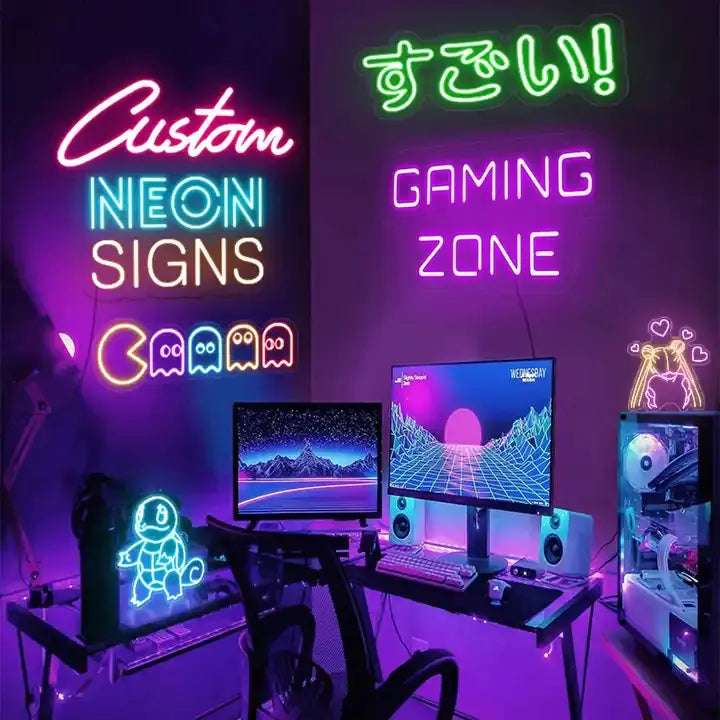
For a gaming or streaming desk, backlighting is the hero. Put strips behind monitors, add a lamp beside the desk and use wall panels or a projector to give your background a recognisable look. Your setup becomes part of your identity, whether you are recording content or just want every late-night session to hit harder.
Living rooms work best with flexible brightness. You may want clear white light for cleaning or reading, then lower, softer lighting for TV time. A galaxy projector or ambient floor lamp can add personality without permanently changing the room, which is ideal for renters and anyone who likes switching things up.
In a dorm or compact flat, prioritise portable pieces. Table lamps, plug-in strips and wall-friendly décor lights give you plenty of visual payoff without complicated fitting. Check your tenancy agreement before attaching anything with adhesive, and test a small section first if your walls have delicate paint.
Keep the Setup Looking Premium
Great lighting cannot rescue a tangle of cables or a cluttered desk. Route wires behind furniture where possible, use clips or channels to keep them neat, and leave enough slack to move things for cleaning. It is worth taking an extra ten minutes here. Your room will look sharper in person and far better on camera.
Brightness matters too. More is not always better. A bright strip reflected in a glossy monitor can ruin the effect, while lower brightness can make colours feel richer and more expensive. Adjust lighting after dark, when you can see how it truly works with your room rather than judging it in daylight.
RGB Illuminations products are made for this kind of quick, personal upgrade: easy-to-control lighting that lets a bedroom, desk or entertainment corner feel far more like your own. Start with the zone you see most, create one scene you cannot wait to use, and let your setup grow only when the next upgrade has a real purpose.
The best final test is simple: when you walk back into your room after a long day, does the lighting make you want to stay there? If it does, you have built more than a smart setup. You have made a space that shows up for you.